
Cenote Guides: Swimming, Diving and How Cenotes Formed
The background to a cenote day: what a cenote is and how the Yucatán came to have thousands of them, what swimming and snorkelling in one is like and the rules every cenote enforces, and what cavern and cave diving involve, who can go and what dive centres charge.
All
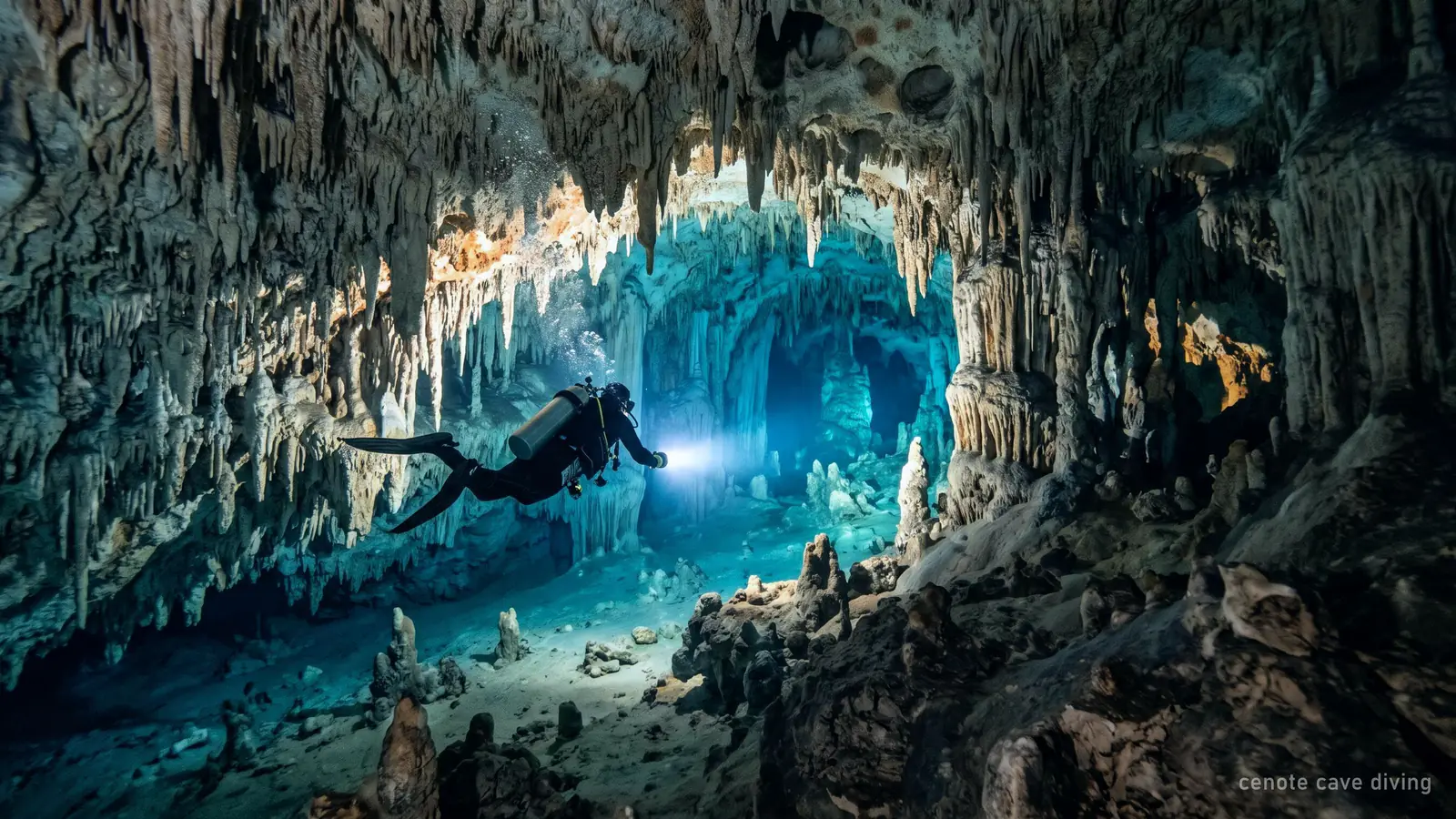
Cenote Cave Diving: The Pit, Angelita, Chac Mool and Who Can Go
Cave diving vs cavern tours in the cenotes, the named dives (The Pit, Angelita, Chac Mool, Chikin Ha) and the certification each dive centre asks for.
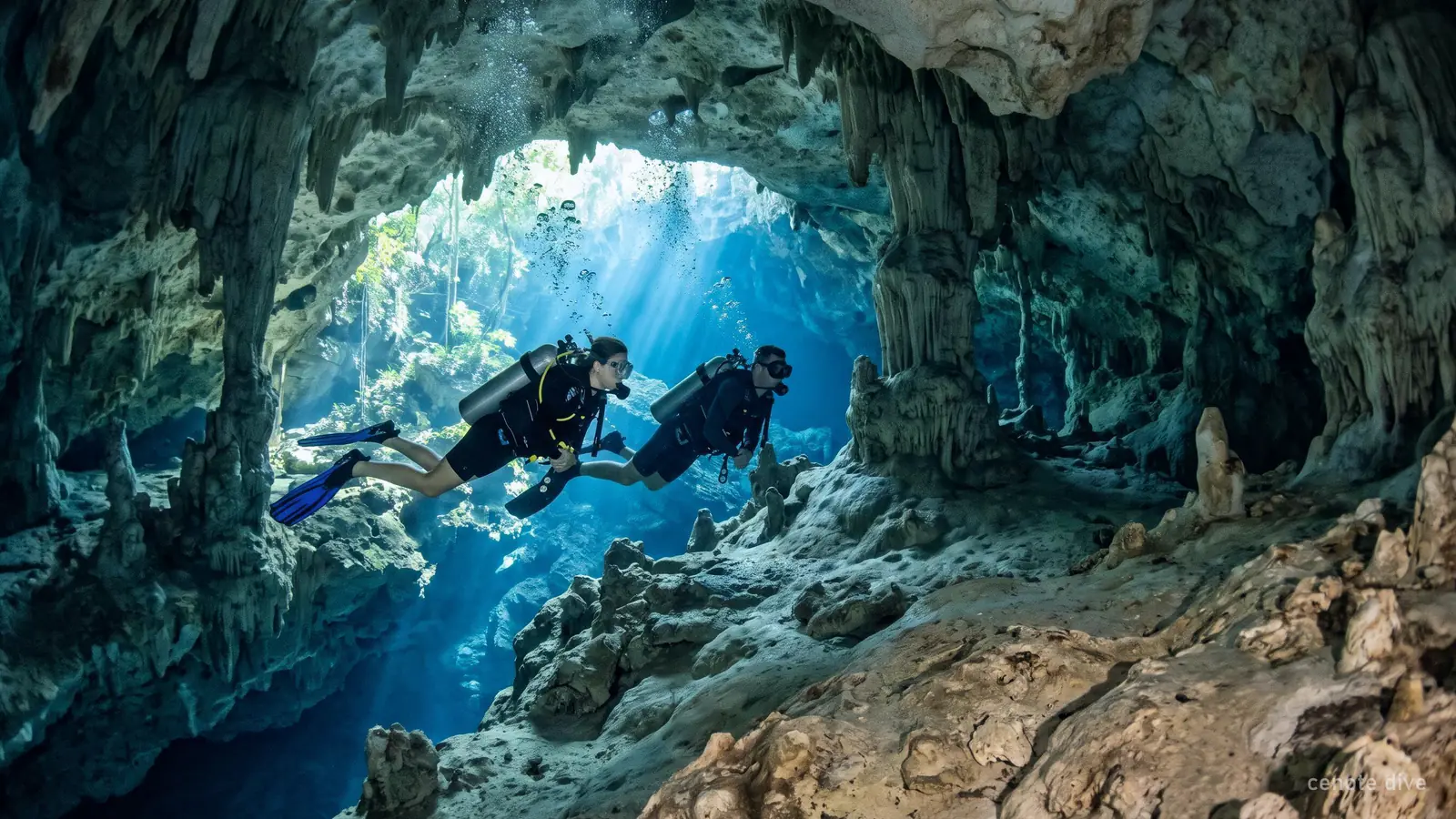
Cenote Diving near Cancún: Where, What It Costs, Who Can Go
Cenote diving near Cancún is guided cavern diving for certified divers. Which cenotes, which card you need, and dive prices from named dive centres.
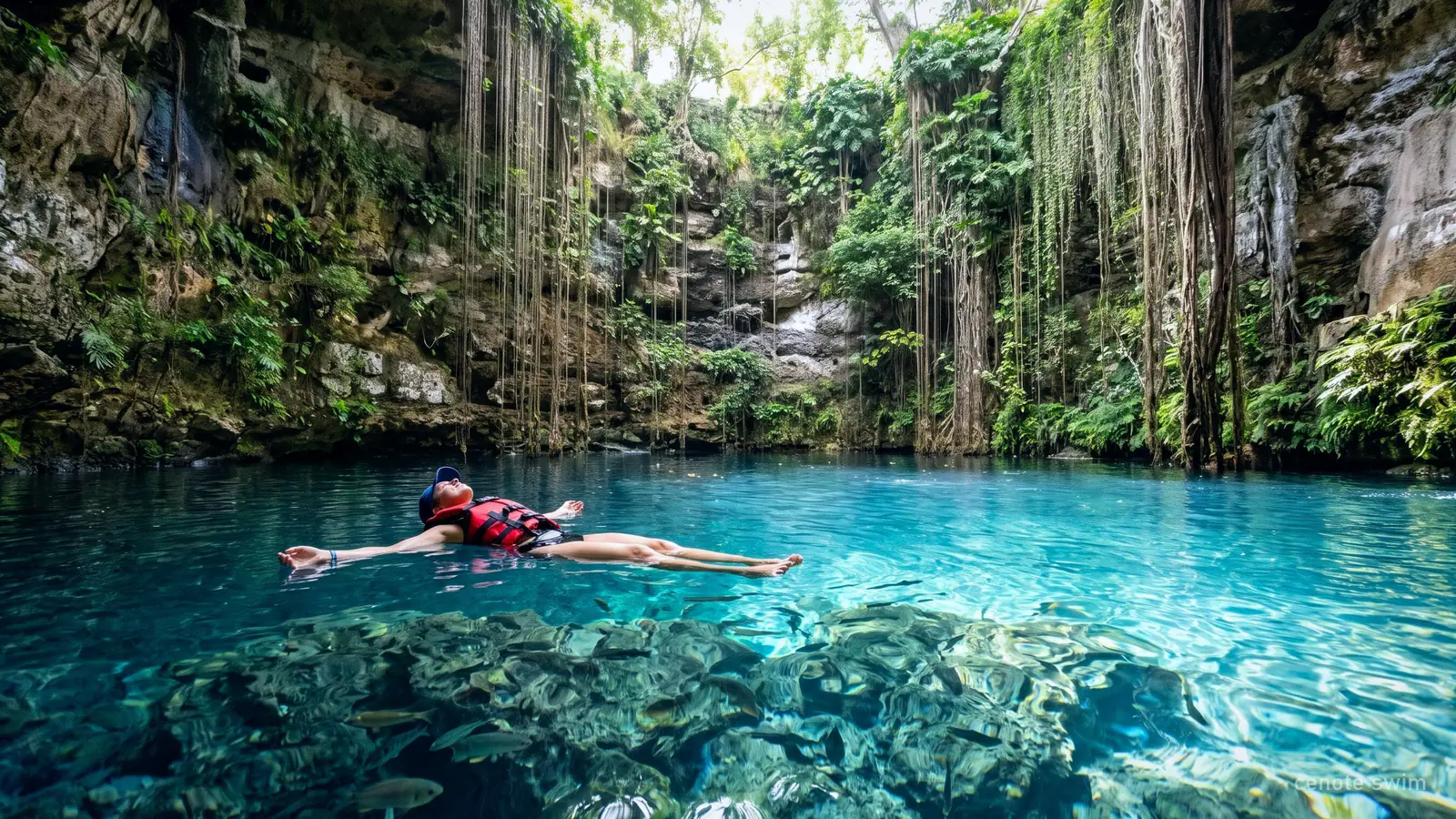
Cenote Swimming and Snorkelling: What It Is Like, and the Rules
What swimming in a cenote is like (cool fresh water, clear light, deep pools) and the rules most cenotes enforce: life jackets, a shower, no sunscreen.
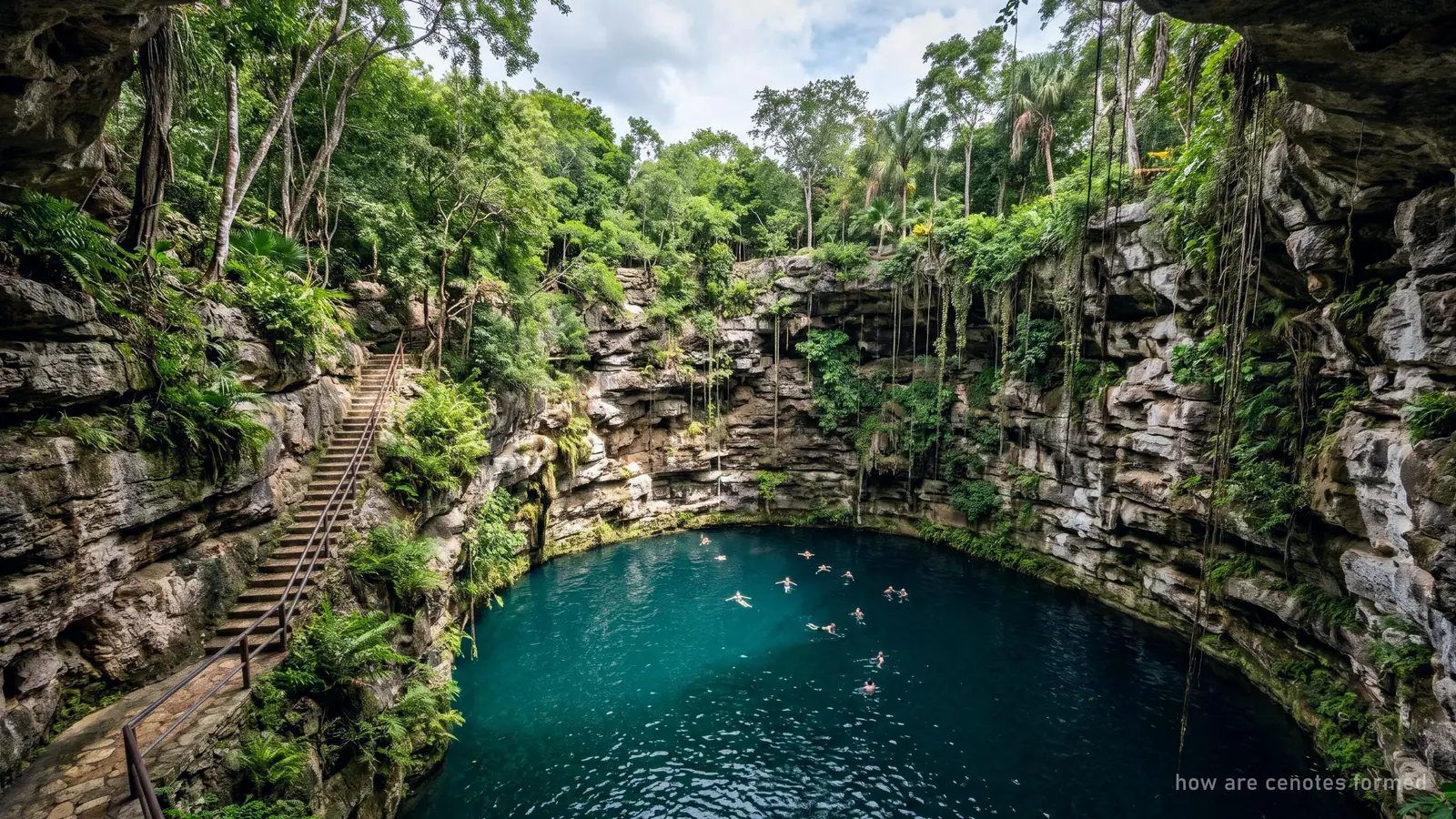
How Are Cenotes Formed? Limestone, Sea Level and a Crater
Cenotes form when acidic rain dissolves limestone into caves and the roofs collapse. How ice-age sea levels and the Chicxulub crater shaped them.
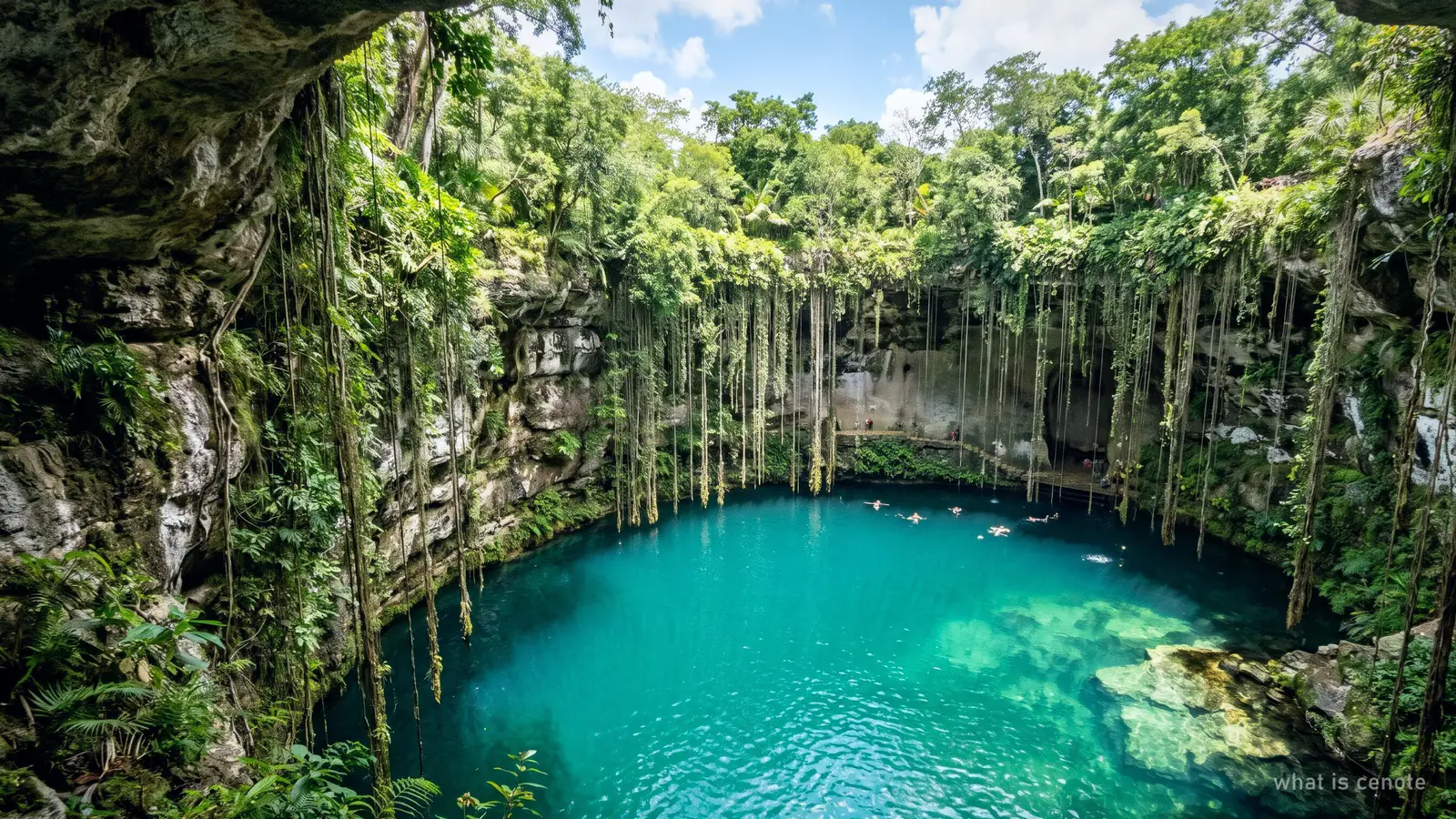
What Is a Cenote? The Sinkhole, the Word and the Water
A cenote is a natural sinkhole where collapsed limestone exposes fresh groundwater. The types, how deep they go and why the Yucatán has thousands.